

To understand Sri Lanka, start at its markets. These are the beating heart of every town, where farmers, fishmongers and spice sellers trade from dawn, and where the colours, smells and sounds of the island come together in one place. Exploring them by tuk tuk, with a local to guide you, is one of the most authentic experiences you can have on the island, and one of the easiest to miss if you stick to the usual tourist trail.
What you will find at a Sri Lankan market
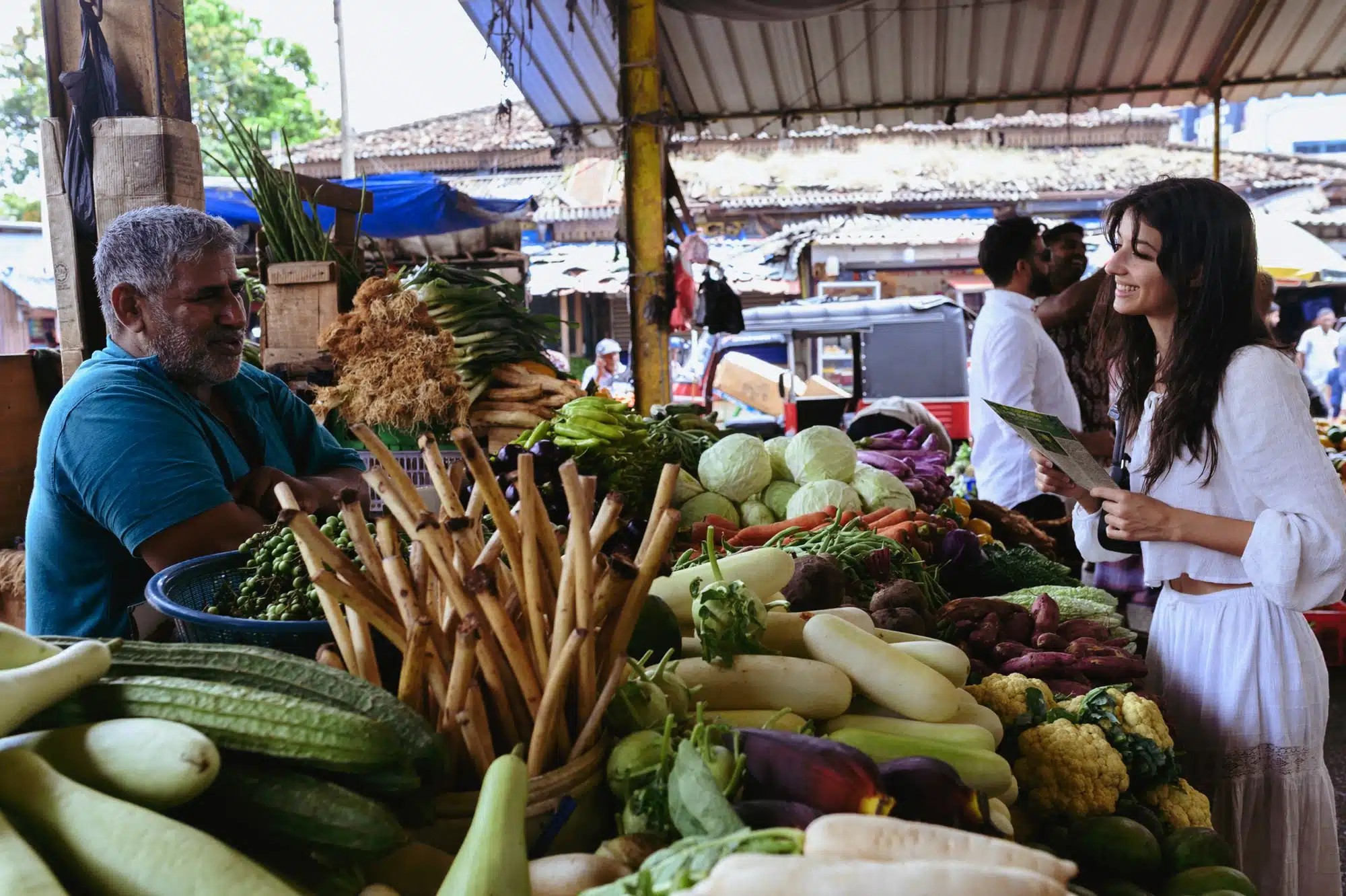
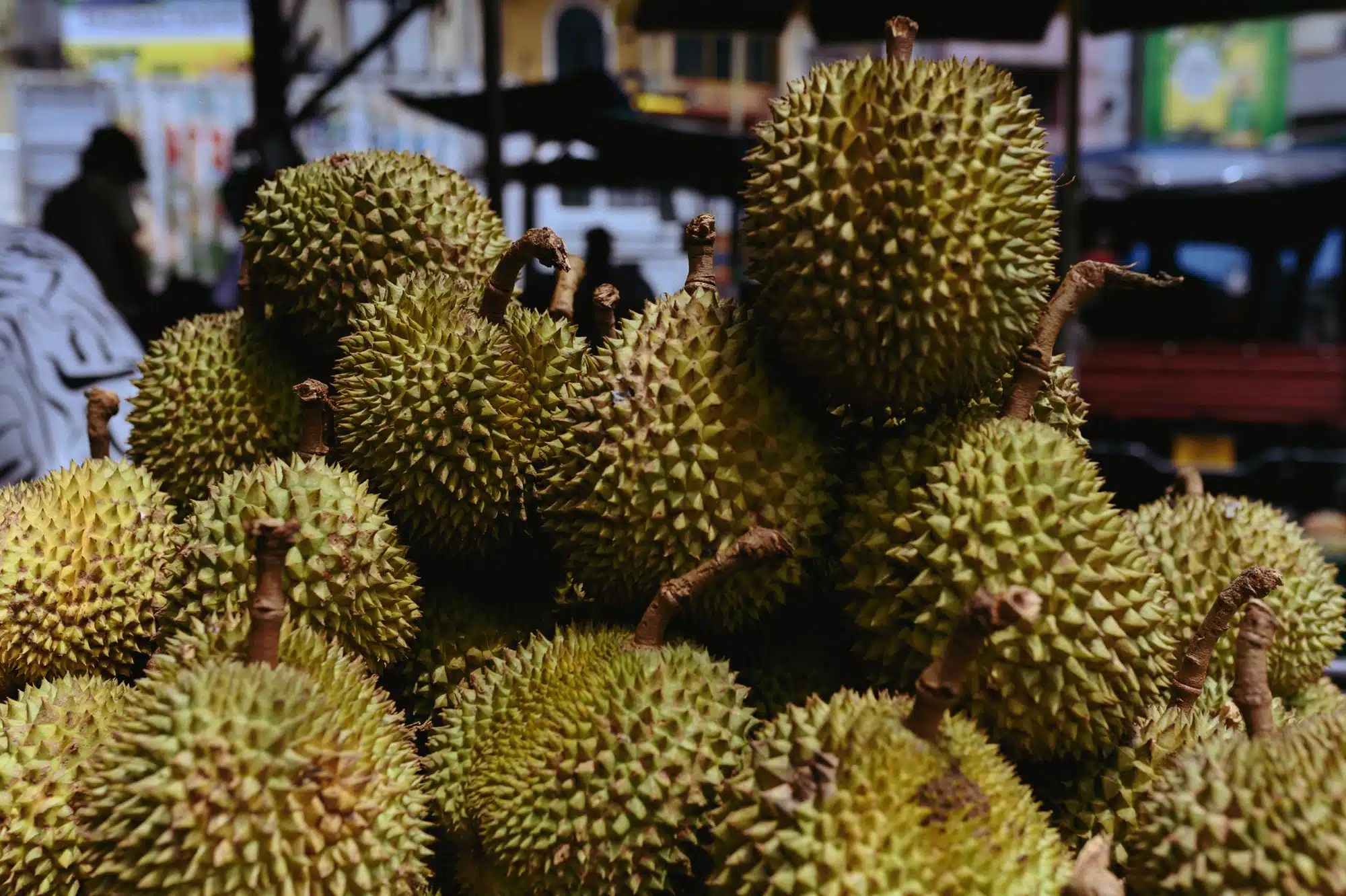
Local markets overflow with produce you will not recognise and some you will. Expect towering piles of vegetables, baskets of tropical fruit, mounds of fresh chillies and heady stalls of cinnamon, cardamom and curry leaves. Alongside the food you will find flowers strung into garlands, clay pots, woven baskets and everyday household goods, all sold with the same easy energy. Nothing is packaged, nothing is standardised, and every stall looks a little different from its neighbour.
In Colombo, the Pettah quarter and Manning Market are a sensory overload, a maze of lanes where each street seems to specialise in one thing, from textiles to spices to electrical parts. On the coast, towns like Galle add glistening displays of freshly landed fish, auctioned off in the early morning while the catch is still cold. Inland, smaller town markets move at a gentler pace, and the vendors have more time to talk.
Markets are made for meeting people
A market is as much about people as produce. Vendors are proud of what they sell and happy to let you taste, smell and ask questions, especially when a local breaks the ice for you. These small exchanges, a shared laugh over an unfamiliar vegetable or a tip on how to cook it, are often what travellers remember long after the trip. A guide who knows the sellers can turn a quick walk-through into a real conversation, explaining which spice goes into which curry and why one mango is worth twice the price of another.
What to buy and bring home
Markets are the best place on the island to pick up souvenirs that actually mean something. Ceylon cinnamon, cardamom and whole peppercorns weigh almost nothing in a suitcase and cost a fraction of what you would pay at home. Loose-leaf Ceylon tea, palm sugar, cashews and small bottles of coconut oil also travel well. If you are staying somewhere with a kitchen, buy a handful of fruit and vegetables for the day and ask the vendor how the locals prepare them. A little curiosity goes a long way here.
Why a tuk tuk is the best way to explore markets
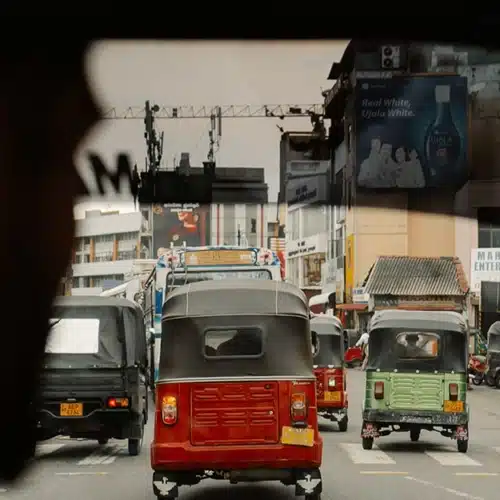
Markets are scattered across neighbourhoods and often tucked down streets no tour bus could reach. A tuk tuk lets you move between them at your own pace, carry home what you buy and follow your guide to the stalls that locals actually use. It keeps the whole experience spontaneous, which is exactly how a market should be discovered. When one street gets too crowded or the light is better a few lanes over, you simply hop back in and go, something no coach tour can offer.
Practical tips for visiting a market in Sri Lanka
- Go early. The markets are liveliest and freshest between about 6am and 9am, before the heat and the crowds build.
- Carry small cash. Stalls deal in rupees and rarely have change for large notes, so keep a pocket of small bills.
- Ask before you photograph. A smile and a quick gesture are usually all it takes, and vendors are far more welcoming once you have asked.
- Dress for the heat and the crowd. Light, breathable clothing and comfortable shoes make a morning in a packed market much easier.
- Taste with confidence, but choose busy stalls. High turnover means fresher produce, which is exactly where a local guide will steer you.
Explore the markets on a TropiQuest quest
Markets feature in several of our quests, from our Colombo evening street food adventure to our Galle city adventure by tuk tuk. Each one turns a visit into an interactive game, where you follow clues, meet traders and experience the market the way a local would, rather than simply walking past. You can see the full range on our quests page.
Keep exploring: discover the exotic fruits of Sri Lanka you will spot on every stall, or admire Colombo’s Red Mosque in the heart of the Pettah market district.
Frequently asked questions
What is the best market to visit in Colombo?
The Pettah district, and Manning Market in particular, is the most atmospheric place to start. It is busy, colourful and packed with wholesale stalls, and it sits right beside landmarks like the Red Mosque, so it is easy to combine with a wider tour of the old city.
What time do Sri Lankan markets open?
Most produce markets get going before dawn and are at their best from around 6am to 9am. Fish markets on the coast are earliest of all, timed to the morning catch.
Is it safe to eat and taste food at the markets?
Yes, as long as you choose busy stalls with high turnover and freshly cut fruit. Travelling with a local guide makes this easier, as they know which vendors locals trust.